
AD
Cleaning the bathroom has to be one of my most hated chores. So when it comes to designing my bathroom, I'm definitely prioritising how easy it is to clean it (or keep it clean!). For those who are equally sian about cleaning the bathroom, these bathroom reno tips should help save you some elbow grease (and your sanity).
Make room between fixtures
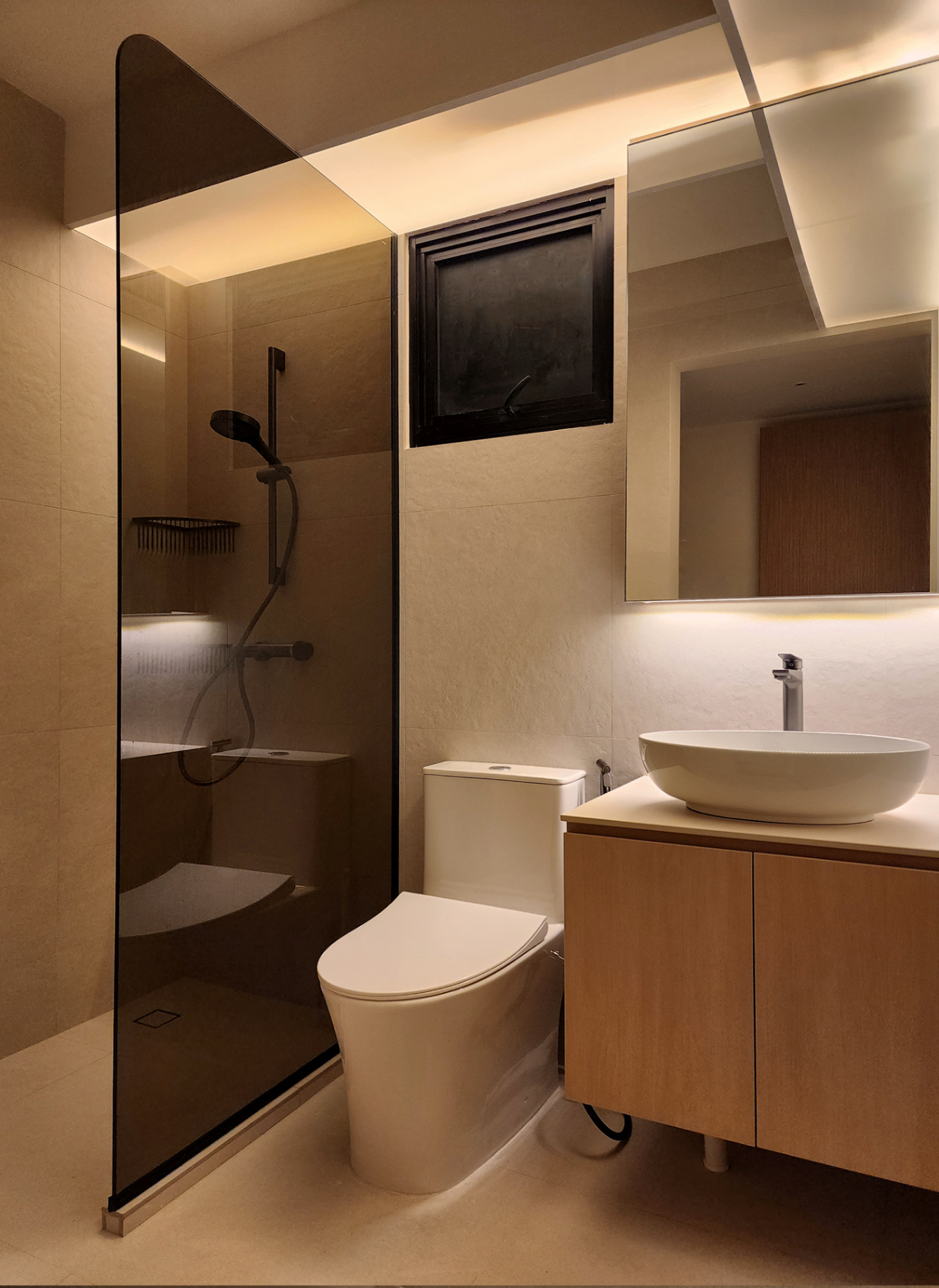
I’ve learnt this the hard way trying to clean the awkward gap between my vanity and toilet bowl. Unless you’ve got tiny, flexible hands, make sure there’s enough space between fixtures for you to actually reach in and clean properly.
Don’t pick white grout
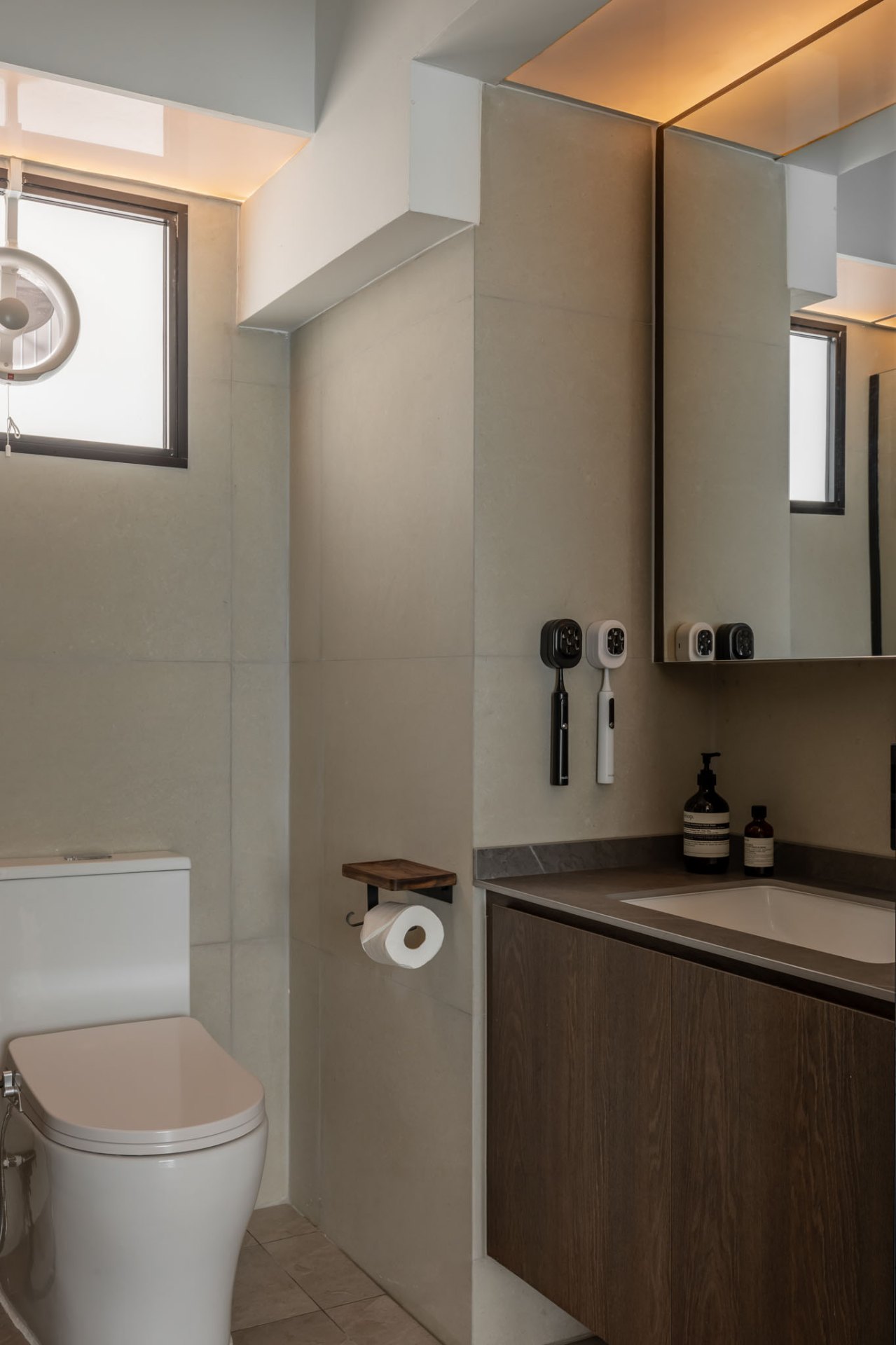
Skip white grout if you want something easier to maintain. Light grey tends to hide dirt and wear much better. If you want something lower maintenance, consider epoxy or acrylic grout instead of cementitious ones since they’re more moisture-resistant and less prone to staining. Still, they will have to be wiped down regularly and can yellow over time.
Use larger tiles to minimise grout
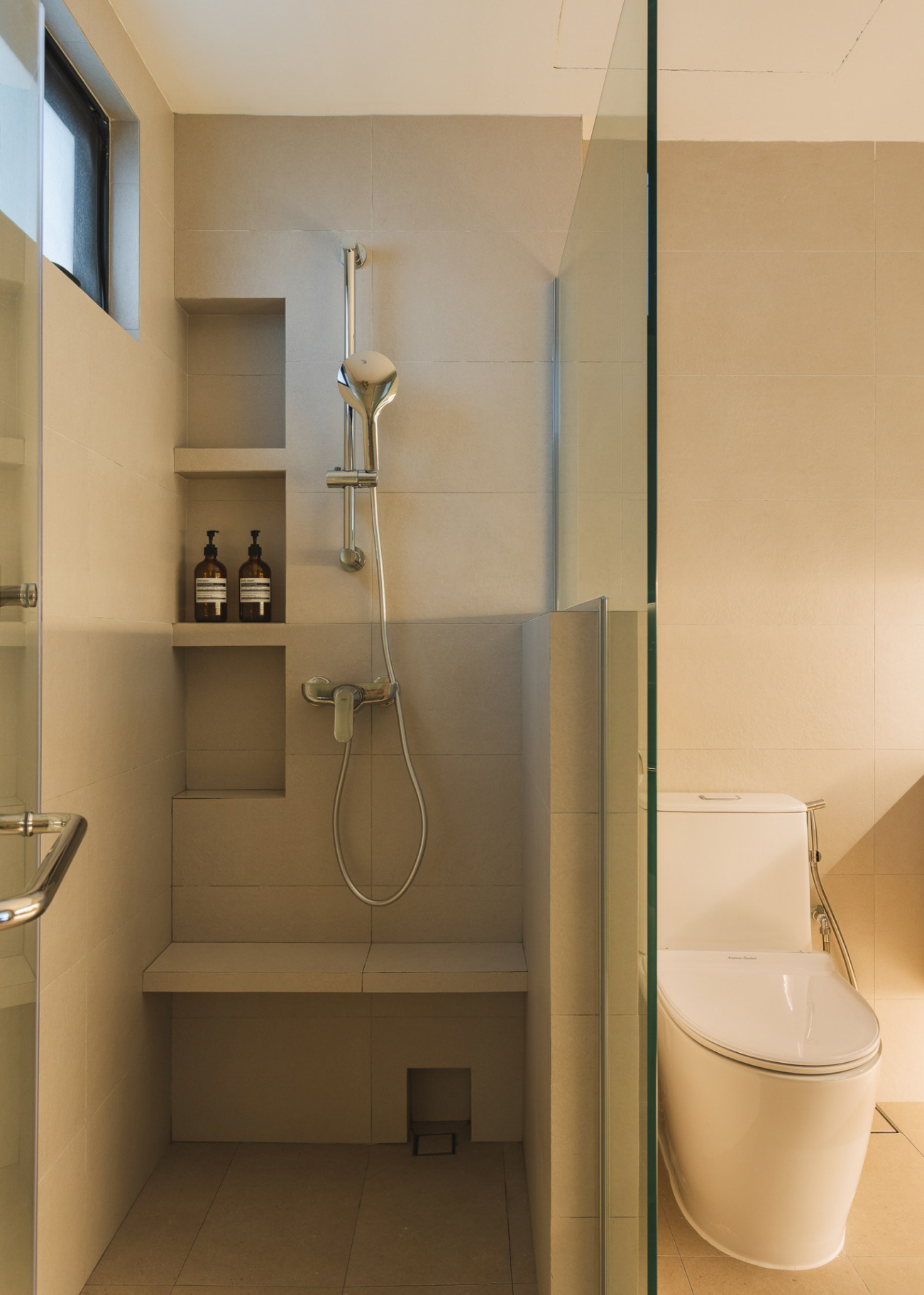
Going for larger tiles (esp on floors!) to minimise grout lines is a no-brainer, but the tile finish matters too. Stick to smoother surfaces with minimal texture (skip the deep woodgrain ones) so dirt and stains don’t get trapped in the grooves. And don’t forget safety. Bathroom floor tiles should ideally have at least an R10 slip rating.
Tiled wall > glass wall
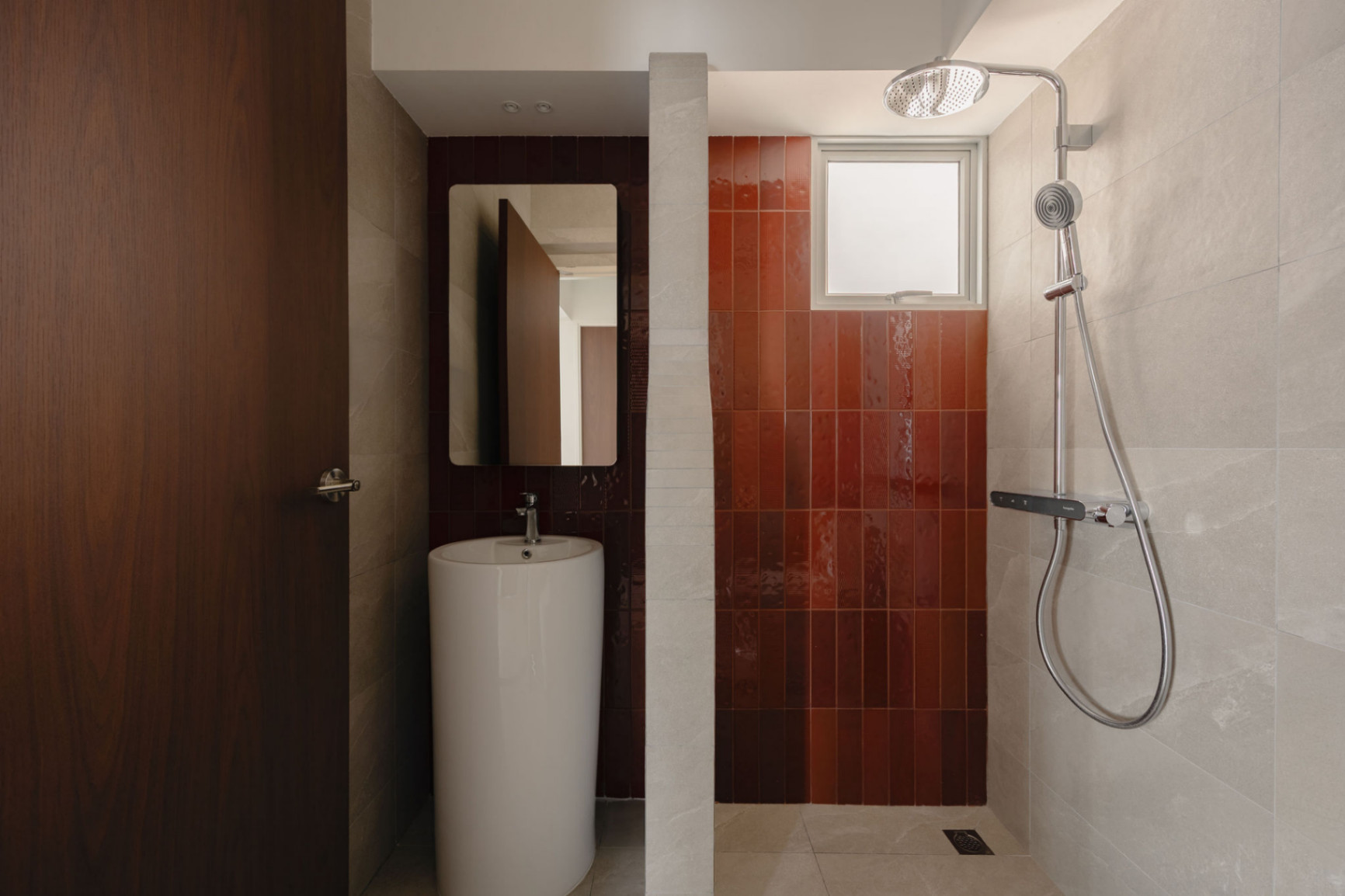
Between limescale and soap scum, keeping glass spotless becomes a full-time job unless you’re squeegeeing after every shower. If you still want to keep splashes contained, a non-tiled shower wall works great as a lower-maintenance alternative.
Pick fixture shapes wisely
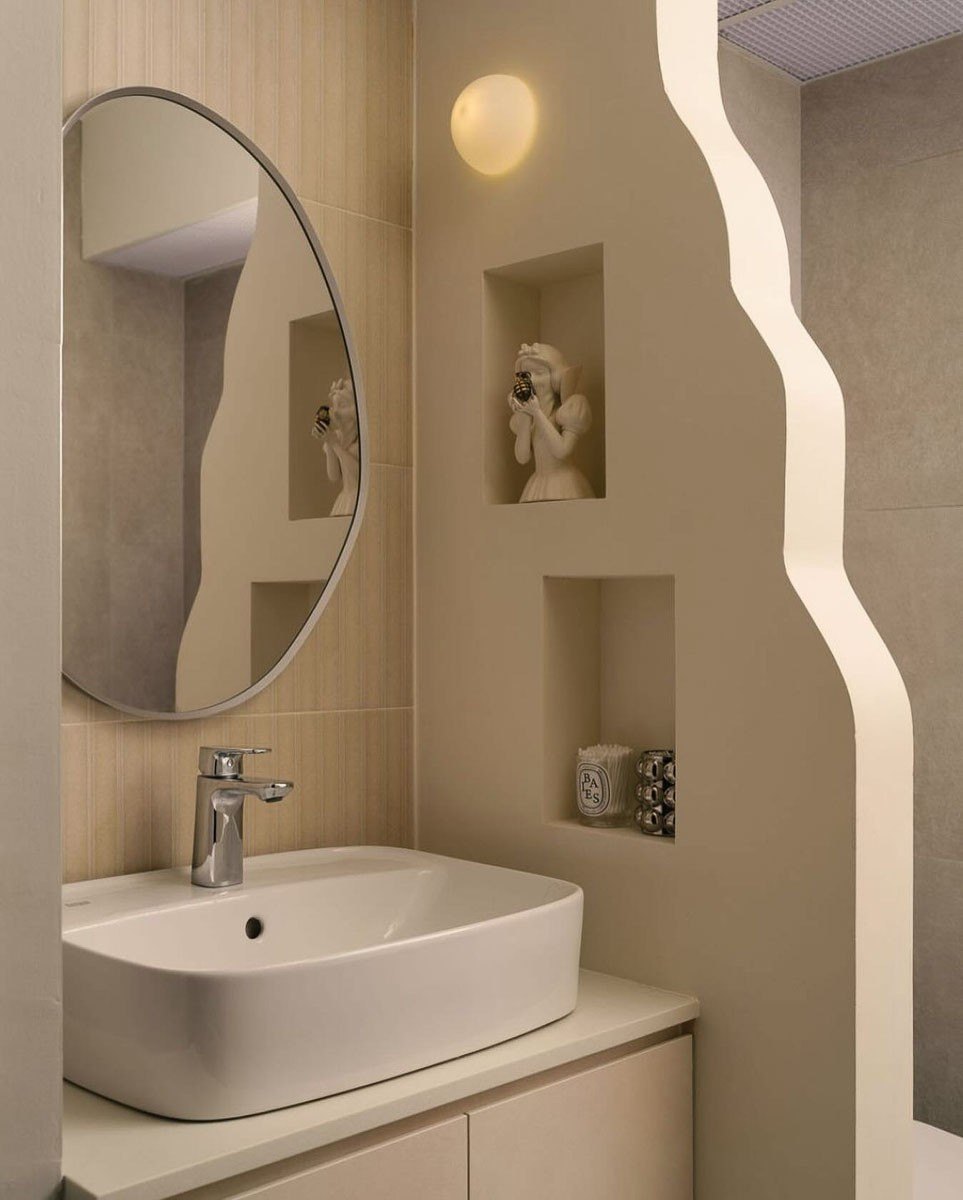
When choosing bathroom fixtures like your faucets, shower heads, sinks, even toilet bowls, go for designs with fewer crevices and sharp edges. Softer, curvier shapes not only look better, they are also easier to clean.
Flat tiled surfaces should be sloped
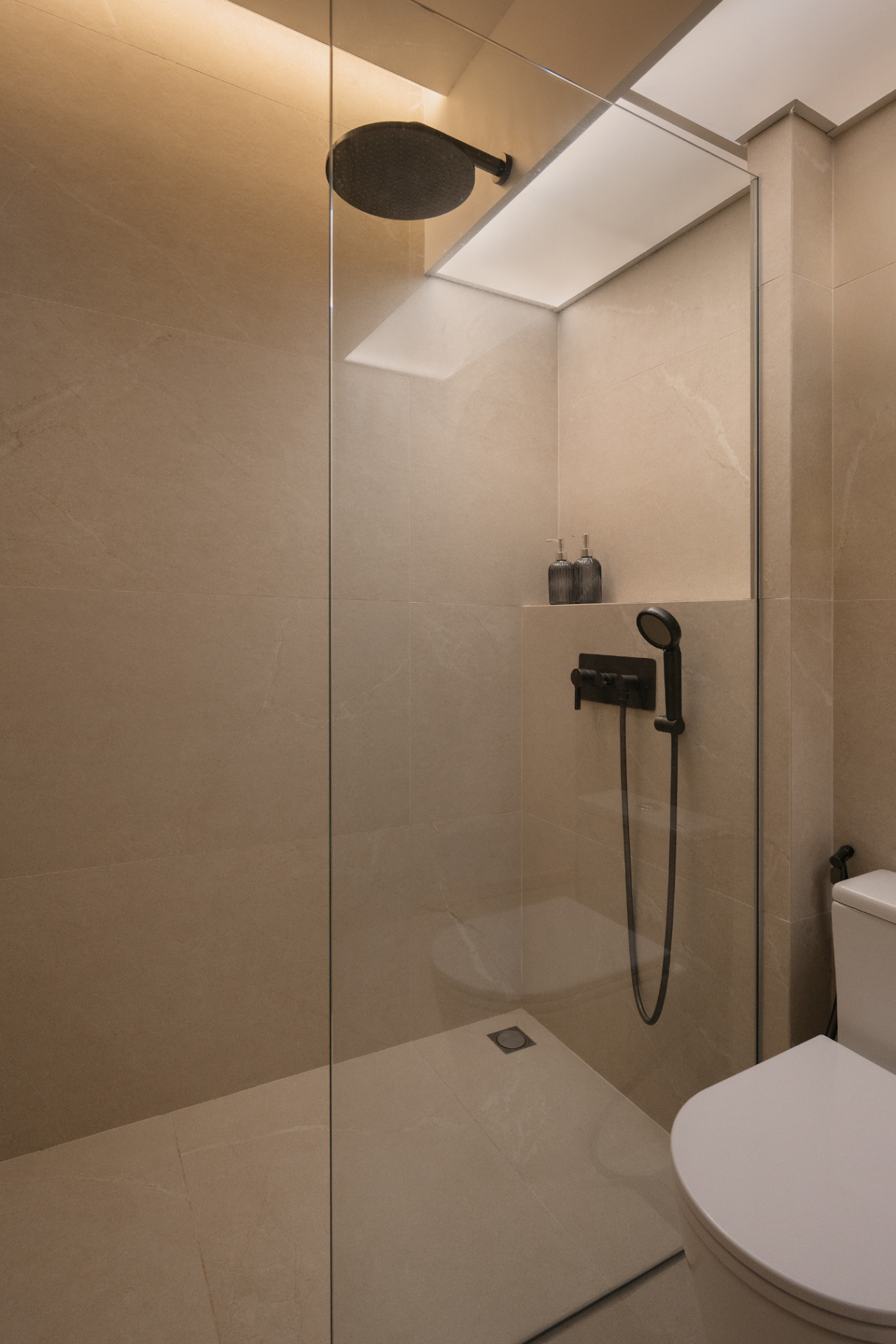
Make sure all your flat tiled surfaces have a slight slope so water doesn’t end up pooling everywhere. Not just the floor, but also things like custom shower shelves and ledges too. Your tiler probably already knows, but a small reminder never hurts.


Why I Keep Buying Properties in Johor Bahru — And You Might Want to Consider It Too
Most people spend years researching, saving, and waiting for the “perfect” moment to invest in real estate — only to never buy at all. John, a Malaysian property agent and investor, took a very different route: instead of waiting, he jumped in fast. And now, with seven properties in Johor Bahru (JB) under his belt, he’s not slowing down anytime soon.We spoke to John to learn why JB remains his investment turf, how he got started, and what he wishes more people understood about building a propert

How the New Prime Location Public Housing (PLH) Model Will Impact You as a Buyer or Seller
In October 2021, the Ministry of National Development (MND) and the Housing & Development Board (HDB) introduced the Prime Location Public Housing (PLH) model after extensive consultations with the public and industry experts. This new approach aims to keep public housing in Singapore’s most sought-after areas affordable and accessible for Singaporeans.What’s Different About the PLH Model?The PLH model changes several key rules to better manage demand and maintain affordability in prime location

The Hidden Costs of Buying a Home in Singapore (And How to Plan for Them in 2026)
When shopping for a new home, most buyers focus almost entirely on the property’s price tag. But in Singapore, the actual cost of homeownership goes far beyond the purchase price. From stamp duties to renovation works, legal fees to maintenance charges, these additional costs can add tens or even hundreds of thousands of dollars to your overall budget.Failing to account for these expenses often leads to unpleasant surprises. To help you plan better, here’s a comprehensive breakdown of the hidden

Why Singapore’s Newly Completed Condos Are Quietly Making Owners Hundreds of Thousands in Profit
It’s been said that the past five years have changed Singapore’s property market more dramatically than the two decades before. And perhaps that’s true — Covid-19, supply bottlenecks, and shifting buyer priorities have turned old “rules” upside down.For example, small units once thought to be investor-only are now occupied by young professionals, while prime central homes — once the domain of wealthy foreigners — are being snapped up by local families seeking prestige and convenience. Amid all t

Are Singapore’s Oldest HDB Flats Losing Value? A 2026 Update
Singapore’s Housing & Development Board (HDB) flats have long been a stable part of the property market, but the question on many minds is whether the oldest units are finally starting to lose value. After all, these flats aren’t getting any younger, the SERS program has mostly concluded, and the VERS initiative looms on the horizon.Back in 2018, the government made waves by pointing out that even flats over 50 years old could still appreciate. Fast forward to 2026, and it’s worth revisiting the

Coastal Cabana EC Set to Stir the Market: A Rare Pasir Ris Launch with Strong Family Appeal
For the first time in more than ten years, Pasir Ris is welcoming a brand-new Executive Condominium (EC) — and it is already generating strong interest among homebuyers looking for a lifestyle-centric address in the East. The project, now officially known as Coastal Cabana, arrives at a time when EC launches have been limited, especially in established neighbourhoods with a close-knit community feel.

How We Secured a Spacious Toa Payoh Flat and Saved $300K — Without Waiting Years
For many Singaporeans, getting a first home often means choosing between long BTO waits or paying a premium for a resale unit. But a quietly growing group of buyers has found a middle path: Sale of Balance Flats (SBF).

Singapore’s Most Expensive Neighbourhoods Evolve: 4 Key Buyer Trends Shaping the CCR in 2026
In the early 2000s and before, purchasing a condo in Singapore’s Core Central Region (CCR) was largely reserved for the ultra-wealthy or affluent foreign investors. For the average Singaporean, owning a CCR property was almost unattainable — akin to indulging in luxury items that felt out of reach. But fast forward to 2026, and the real estate landscape is noticeably different.The price gap between the Rest of Central Region (RCR) condos, and in some cases even the Outside Central Region (OCR) c

HDB Support for Young Couples Buying Their First Home in 2026—What You Need to Know
Buying a first home as a couple is a huge milestone. It’s about creating your shared future, setting up your own space, and laying the foundation for family life. But in Singapore, it often feels like a daunting financial challenge. Between wedding costs, early-career salaries, and renovation expenses, many young couples wonder if homeownership is even possible when they’re just starting out.

The 2026 Guide to Affordable Housing in Malaysia: What You Need to Know
Even as Malaysia moves deeper into 2026, affordable housing remains one of the country’s most pressing challenges. For many young professionals, newly married couples, and middle-income families, the dream of owning a home feels increasingly out of reach. Despite some signs of price stabilisation, the gap between income levels and property prices—particularly in urban centres—continues to grow.In response, the Malaysian government has stepped up its efforts under the MADANI Economy framework and

The Hidden HDB Terraces You Never Knew Existed in Queenstown From Just $1.5M
If you love the charm of a landed home but not the sky-high prices that usually come with it, you might be surprised to learn that Queenstown offers an alternative — and at a fraction of the cost. Tucked discreetly within one of Singapore’s most mature towns are rare HDB terrace houses that let you enjoy the landed lifestyle without a multimillion-dollar price tag.A while ago, we featured Queenstown’s private landed homes that can go up to $12 million. Beautiful, yes — but hardly within reach fo

Why I Swapped My 40-Year-Old Jurong Flat for a Newer Bukit Panjang HDB: A Homeowner’s Journey
For many HDB owners, the decision to sell a long-held flat is never simple. Lease decay, mortgage planning, and future legacy considerations can make the process daunting. This case study explores how one homeowner, a 47-year-old finance professional living with her son, successfully transitioned from her 40-year-old Jurong East flat to a newer Bukit Panjang 5-room HDB, balancing current needs and long-term planning.Assessing the Need for a MoveBy late 2024, the homeowner fully owned her 5-room


